Welcome to Flash Pulp, episode one hundred and twenty.

Tonight we present: The Rocket Men, Part 1 of 1
[audio:http://traffic.libsyn.com/skinner/FlashPulp120.mp3]Download MP3
(RSS / iTunes)
This episode is brought to you by Mr Blog’s Tepid Ride.
It’s not him, it’s you.
Find it at http://www.bmj2k.com
Flash Pulp is an experiment in broadcasting fresh pulp stories in the modern age – three to ten minutes of fiction brought to you Monday, Wednesday and Friday evenings.
Tonight, four men engage in their singular obsession.
Flash Pulp 120 – The Rocket Men, Part 1 of 1
Written by J.R.D. Skinner
Art and Narration by Opopanax
and Audio produced by Jessica May
There were four of them: Chris, Paul, George, and Chuck.
Chris was good with math, Paul was a born artist, George’s Dad ran a scrap yard, and Chuck was a genius.
At the age of eight their skills mattered little, as their friendship was forged in a common goal: the destruction of all Martians. While about them their compatriots wasted their recesses imitating the cartoon ninja spectaculars of the day, the four took up the mantle of The Rocket Men, laser toting defenders of Earth. Whatever the weather, the group could be found beating back the imaginary green menace, and keeping the schoolyard safe from alien doom.
Eventually, though, the Martian threat no longer seemed so ominous.
By the age of ten, one thing remained: their combined love of rockets. Each boy had an image of their own custom space vehicle, hand-drawn by Paul, and each was sure that, given enough time and access to George’s father’s sprawling rubbish pile, the group would be able to create a ship capable of carrying them beyond the bonds of gravity, and their mundane lives.
In July of their twelfth year, Chris’ father gathered The Rocket Men into his Chevy Astro and spent two days subjecting the boys to New Country. They didn’t mind, however, as they knew where they were headed: Florida.
On a warm evening, surrounded by hundreds of other enthusiasts of all ages, the former Martian-fighters witnessed the launch of an actual NASA flight – it was a moment they would reminisce on during sleep-overs, while camping, and, one day, with their own children.
During their fourteenth Earth-bound year, Chuck struck upon a plan, and presented it with a smile: they would build a rocket. It took a summer’s worth of saving, and no small number of raids upon George’s familial heap, but a week before entering ninth grade, the boys gathered. They met at dawn, and by the proposed time of launch their sneakers were soaked with the night’s condensation.
They’d created a thing of beauty.
The red cone, entirely decorated by Paul – except the sharpie signatures they’d scrawled along the side – was to be largely driven by powder salvaged from fireworks they’d purchased at a disreputable convenience store. The resulting explosion was a topic of marvel and remorse that would remain a point of contention amongst the boys for months.
At the sight of the destruction of their labour, the youths had nearly fallen into despair, and that might have been the last of The Rocket Men had it not been for an outburst from Chuck. The prodigy had always suffered through any defeat or disappointment in the same way: wild laughter. Within moments the entire group had taken his lead and tumbled to the ground, their jaws aching with mirth.
When they finally collected themselves, each one scooped up a shard of peeled metal as a reminder. As Chris and Chuck spent long hours arguing the math of the thing, Paul and George would often fill the time by staring longingly at their keepsake fragments.
All were agreed that someday they would make another attempt.
At sixteen, the group took up model rocketry. It never scratched the itch that building something entirely of their own design had infected them with, but each success was a spectacle that drew them together, even as life seemed to be pulling them apart.
They still talked of constructing a flight from scratch, but privately they could feel the chance slipping away as college loomed.
At eighteen, Chris left to become a physicist, Paul departed for art school, George joined his father amongst the garbage, and Chuck received a scholarship in aerospace engineering.
Letters, phone calls, and emails, were exchanged, but, in time, they petered to a halt. A wedding in their thirtieth year marked the last meeting of The Rocket Men for over a decade, despite the tipsy promises of renewed communication that each had made during the reception.
Eleven years later the silence between them was broken, and it was Chuck who once again brought them together.
The plans he’d prepared were complex – well beyond the model rockets they’d built in their high school days – but he’d also fitted the bill, and provided plenty of suggestions on where to locate any answers they might not have.
After six months of weekend effort, The Rocket Men once again found themselves in the dewy grass of a breaking summer morning, now accompanied by Chuck’s wife, Cynthia, who’d transmitted her cancerous husband’s designs and request.
It wasn’t a massive ship, it could really only manage to lift the dead man’s ashes, but, still, the grinning maniac of their youth had had the last laugh: he would be the first amongst them to reach orbit.
Flash Pulp is presented by http://skinner.fm, and is released under the Canadian Creative Commons Attribution-Noncommercial 2.5 License. Text and audio commentaries can be sent to skinner@skinner.fm, or the voicemail line at (206) 338-2792 – but be aware that it may appear in the FlashCast.
– and thanks to you, for reading. If you enjoyed the story, tell your friends.
 [audio:http://traffic.libsyn.com/skinner/FlashCast005.mp3](Download/iTunes)
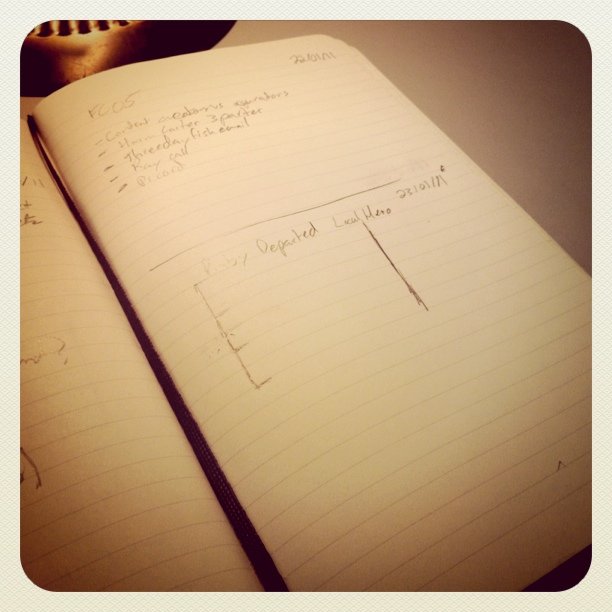 Here’s a quick snapshot of the process behind Flash Pulp – this is really how almost every episode begins.

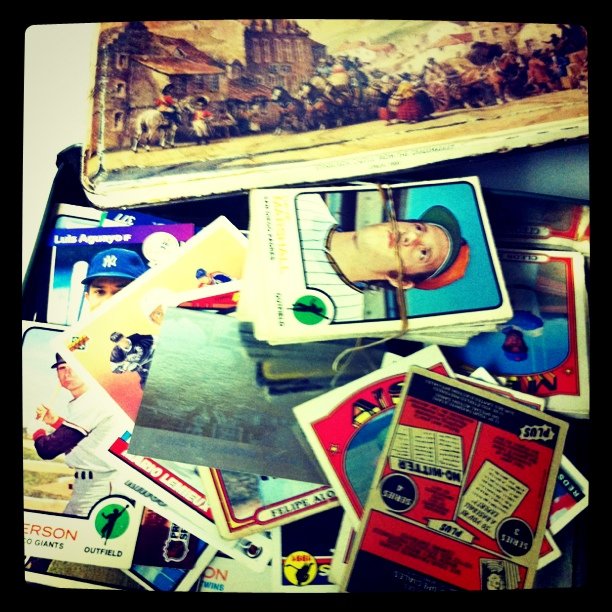 Mostly baseball cards from the early 1970s, with a few ’91/’92 Wayne Gretzky cards on top.
 A while ago, fashion guru and fantastic lady,
 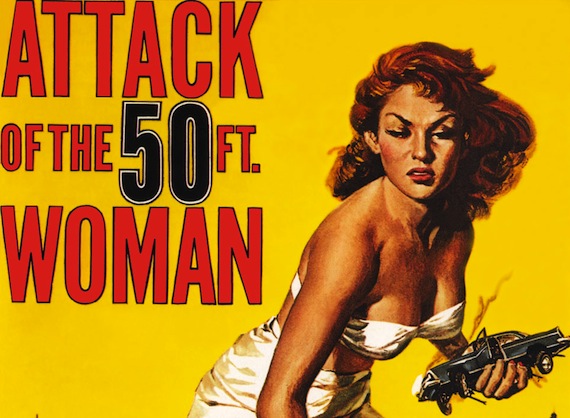 After the second world war, horror as a genre was right out. People had seen far too much killing in real life to want to head into a theater and watch some more, which is why most ’50s horror films are really science fiction thrillers revolving around either giant insects, (or, sometimes, people,) or aliens.
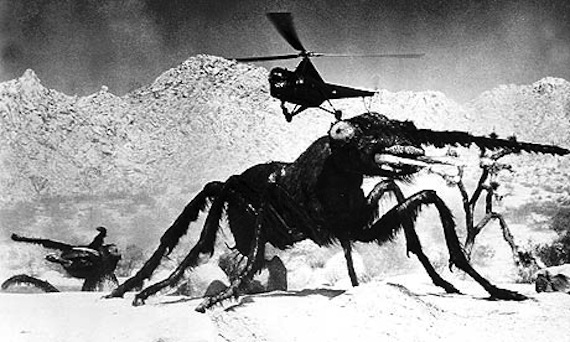 This started to change as Vincent Price’s star began to rise, and as the British studio, Hammer Films, began to move away from science fiction and into scarier fare, but the genre as a whole didn’t really return in full force until the 1960s – just long enough for teenagers without combat experience to begin paying for their own theater admissions.
 No sub-genre is more complex in its presentation of these narratives than that of the reanimated corpse.
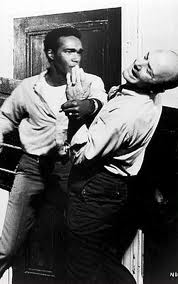 Night Of The Living Dead is really a movie about a black guy and a young woman taking the brunt of an unyielding invasion of aggression, while a rich white fellow hides his family in the basement, along with a couple of yokels – representing the working class – who kind of realize they should be helping the people upstairs, but are pretty comfortable just taking orders from the guy with the money. Eventually the lack of unity causes the whole situation to collapse.
 You don’t see that kind of commentary in a vampire film.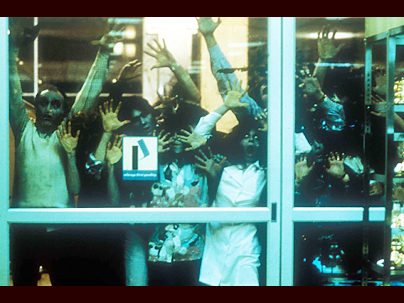
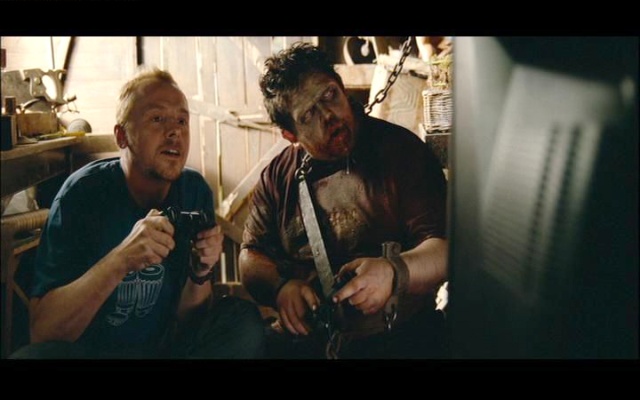

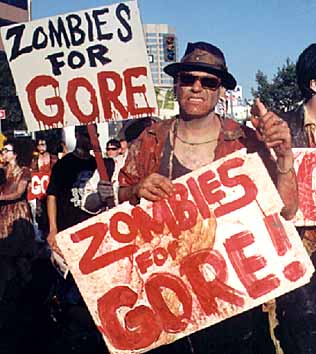 What I’m getting at is, the undead remain a strong contender in the pop culture space because there are as many variations in the significance of their situations as there are in the situations, big or small, that we face in our daily lives.
 I must admit, rather shamefacedly, that I hadn’t realized that elevenses was actually a real thing. I think the concept of tea time is globally acknowledged, but the tradition of a morning snack somehow escaped my notice.
 Just a photo I wanted to share.