Welcome to Flash Pulp, episode one hundred and seventy-seven.

Tonight we present, Sgt Smith and The Discovery, Part 1 of 1.
[audio:http://traffic.libsyn.com/skinner/FlashPulp177.mp3]Download MP3
(RSS / iTunes)
This week’s episodes are brought to you by The Shrinking Man Project.
Flash Pulp is an experiment in broadcasting fresh pulp stories in the modern age – three to ten minutes of fiction brought to you Monday, Wednesday and Friday evenings.
Tonight, Sgt Smith recounts a tale from his time with the vice squad.
Flash Pulp 177 – Sgt Smith and The Discovery, Part 1 of 1
Written by J.R.D. Skinner
Art and Narration by Opopanax
and Audio produced by Jessica May
My Dearest Dundernoggin’,
Your mention of the Sweets last Sunday – and the hullabaloo surrounding that poor boy’s death – brought on an old memory from the depths of the leaky sieve that my gray matter has become.
Late in the ‘80s, I was working Capital City vice. There was this place at the far end of the industrial patch, a two-floor shanty that had been rezoned commercial and sold cheap. I knew the owners, Cooper and Collins, for a long time – they were nice, but their luck was poor and they were born into the wrong era. The bar was named, The Discovery, after Shackleton’s ship. They were massive history buffs, although I doubt any of the soused transvestites that frequented their place ever took much notice beyond the occasional opportunity to participate in themed costume nights.
Anyhow, they kept a relatively tidy place, and, even if it was in a rough end of town, any naughtiness happened off of the property. Despite its reputation, my memory is of a barroom full of folks just looking for a conversation with those of a like mind, which isn’t so different an idea than the place your Granddad frequented when I was a lad.
Doesn’t mean that the surrounding locals didn’t put up a lot of hassling at the station to have us do something about it. Different era I guess. I wasted many evenings drinking soda, trying to blend in, and keeping an eye out for anyone who might be attempting to pull a trick. I’m not saying it never happened, but I could have listed a half dozen street corners my hours would have been better spent watching.
Thing was, in some cases, the situation worked in favour of the regulars. That July and August, three guys had had their faces butchered, and one had found himself nearly castrated, all while walking home from a night’s worth of drinking. For a few weeks, my presence was actually pretty welcome.
There was a fellow, Daniel – he knew I was a cop, but he always seemed happy to have me at hand. Skittish when you first got to know him, but eager for a conversation once he realized you weren’t going to slug him.
This night, I’m sitting at the rail, underneath a picture of arctic explorers posing on an ice flow with a British flag, and I’m thinking it’s time to slip down the back way and through the alley that patrons looking to be a little more incognito usually took, when Danny starts heading to the washroom. I remember it distinctly, because I thought at first he was stumbling my way for a chat – he wasn’t, however, he was just listing from too many glasses of rosé, and his high heels were throwing him off course.
There was a pause, no longer than a minute’s worth, then he comes back. He’s a lot stiffer, and he’s got his hands in front of him. Frankly, at first I wondered if he’d been shot in the belly.
When he finally made it back to his table, he was coming around from his shock a bit, and every eye on the upper floor was on his slight face.
He held up a freshly severed thumb – not his own.
You could see a nub of bone protruding from the gory end, and it was still dripping.
Now, Aunt Clarice, the bartender, and the only natural woman in the building, was a stodgy broad. I’d seen her extract shattered glass from beneath a clumsy-handed reveller’s blood stained toga, and I’d seen her clench her fists against the occasional confused hick that would wander in to prove how not gay he was by starting a fight. In this case, she just stood there sputtering.
I can’t blame her, there’s something greatly unsettling in seeing a lone thumb. Although wordless, it asks: where is the person who ought to be attached to this digit, and how did they go about misplacing it?
At least a blood-drenched victim tends to babble an explanation.
The party was over immediately. No one had any interest in answering questions during the inevitable police response, and the place emptied in a glittering human explosion. Mid-deluge, I was guessing at the most likely destination for the newly-four-fingered man. The nearest exit to the bathroom was the route I’d considered earlier, so I dropped a few bills on the bar for Clarice, then threw myself into the flow, to be carried out to the cool night air.
Then we all came to a sudden halt.
I had to push my way up to the front, as the group had formed a sort of semi-circle with the open end facing a cinder block wall. Standing on a split trash bag was Timothy Buchanan. I knew the greasy little bugger because he’d spent quite a bit of time with Bobby Sweet, after they’d met in a halfway house.
Anyhow, Buchanan was holding this ridiculously over-sized folding knife – you know, brass with a faux-wood veneer, the kind of thing you buy for twenty bucks at a shady convenience store. It was stupidly huge – you’d expect the A-Team to mount it on the front of their van. He seemed to be getting tired just waving it, but that might have because of his missing ear. Not a Van Gogh half-job either: the whole bloody thing was hanging from where his lobe had once resided. It was held on by a stringy bit of flesh that looked like hot-dog skin.
As I moved to the opening, I saw Mint, another regular, being directed by friends back towards the bar. His cheeks were full of blood, and his thumb was missing.
I’ll be damned if I’ve ever seen forty fitter men in one place. If I hadn’t dragged Buchanan off to serve his sentence, he would have been missing a lot more than his quality of hearing – I think they’d have likely found him in a dumpster somewhere on the east side of town.
He was only tried for the single assault, and for a while I felt like maybe he should have gotten a longer sentence, as, when he went in, the attacks stopped. Later on, though, after nesting with a lifer, I heard he decided to settle down pretty permanently on the inside.
Everyone has a path to walk, I guess.
Love you,
Dad
Flash Pulp is presented by http://skinner.fm, and is released under the Canadian Creative Commons Attribution-Noncommercial 2.5 License.
Text and audio commentaries can be sent to skinner@skinner.fm, or the voicemail line at (206) 338-2792 – but be aware that it may appear in the FlashCast.
We’d also like to thank the following members of the Freesound Project
– and thanks to you, for reading. If you enjoyed the story, tell your friends.
 Before we begin, let me warn you: this post is not for the weak of heart.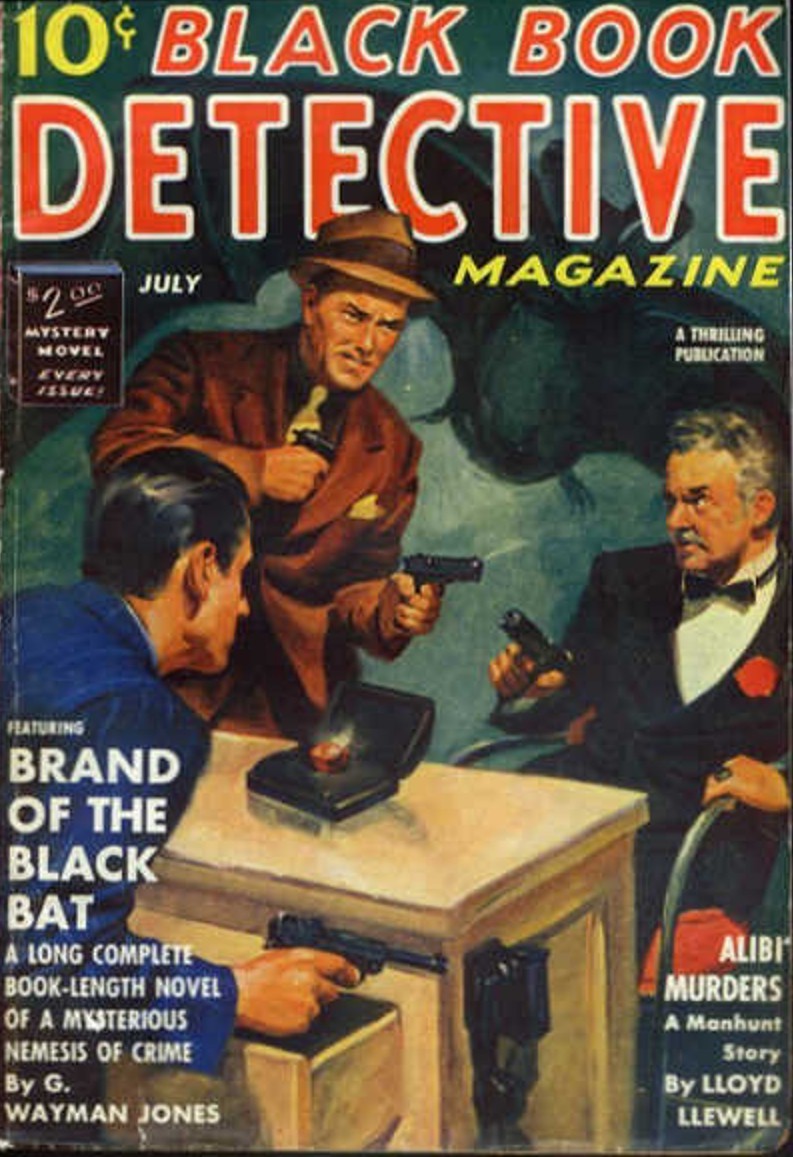
When Germany invaded Denmark in World War II, the Hungarian chemist George de Hevesy dissolved the gold Nobel Prizes of the German physicists Max von Laue (1914) and James Franck (1925) in aqua regia to prevent the Nazis from confiscating them. […] De Hevesy placed the resulting solution on a shelf in his laboratory at the Niels Bohr Institute. It was subsequently ignored by the Nazis who thought the jar—one of perhaps hundreds on the shelving—contained common chemicals. After the war, de Hevesy returned to find the solution undisturbed and precipitated the gold out of the acid. The gold was returned to the Royal Swedish Academy of Sciences and the Nobel Foundation who recast the medals and again presented them to Laue and Franck.
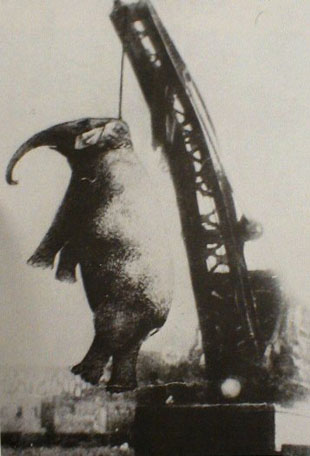
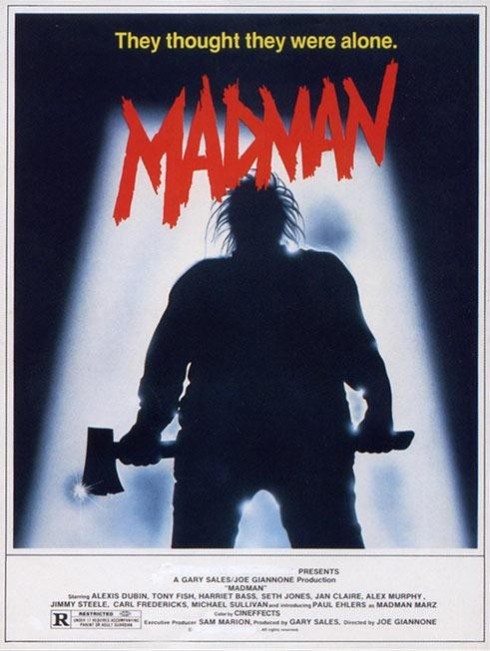 On last night’s FlashCast we spent some time discussing the nature of pulp, and its effect on the real world. It’s easy to think of pop culture as disposable, but we often miss how it can influence our own thinking.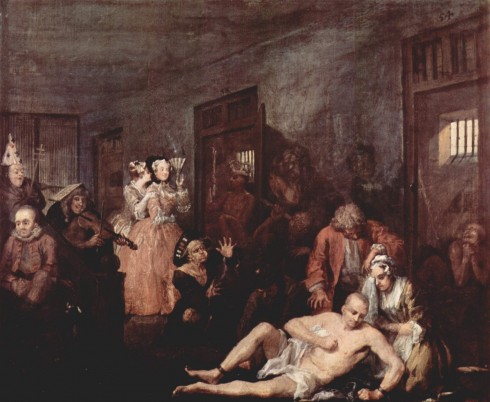

 [audio:http://traffic.libsyn.com/skinner/FlashCast024.mp3](

 We’ll be releasing FlashCast 24 tonight. If you have any comments, questions, suggestions, insane stories, or personal outcries, that you’d like to hear on the show, please call our voicemail line at (206) 338-2792, or email us text or mp3s to skinner@skinner.fm.


 My cranium has found itself trapped in Scripts-ville, so I apologize for the sporadic posting that is sure to follow in my wake.